In today’s digital world, creating high-quality fashion products is not enough. Fashion brands must also ensure that their products reach the right audience. This is where fashion marketing plays a crucial role. Fashion marketing helps brands promote their products, build customer relationships, and increase sales through effective marketing strategies. Whether you run a small fashion store or a large fashion company, fashion marketing is essential for long-term business growth.
Fashion marketing is more than simply advertising clothing and accessories. It involves understanding customer behavior, analyzing fashion trends, creating strong brand identities, and delivering memorable shopping experiences. Successful fashion marketing allows brands to stand out in a highly competitive market and connect with their ideal customers.
Over the years, fashion marketing has evolved significantly. Traditional advertising methods such as magazines and billboards are no longer enough. Modern fashion marketing includes social media promotion, influencer collaborations, content marketing, search engine optimization (SEO), email marketing, and video content. These digital channels help fashion brands reach customers more effectively and drive higher engagement.
What is Fashion Marketing and Why Is It Important?
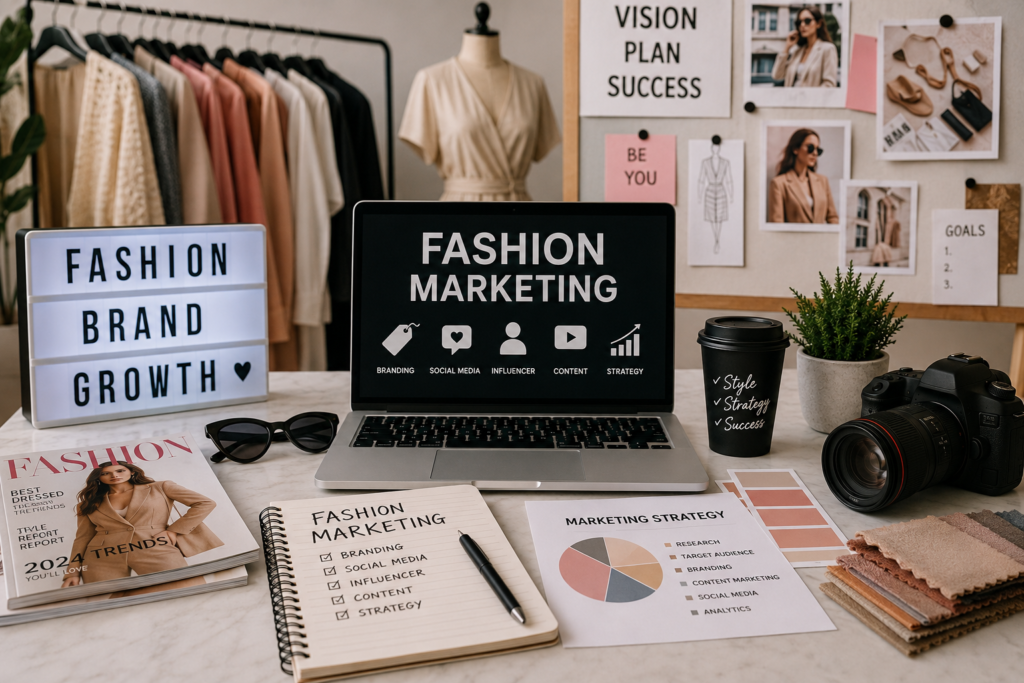
Fashion marketing refers to the process of promoting fashion products and services to potential customers. It combines branding, advertising, consumer psychology, and digital marketing to create awareness and encourage purchases.
The primary goal of fashion marketing is not only to sell products but also to build a strong brand image. Effective fashion marketing helps businesses communicate their values, attract the right audience, and establish long-term customer loyalty.
A successful fashion marketing strategy begins with understanding the target audience. Different consumers have different fashion preferences, shopping habits, and spending capacities. Some customers prefer affordable fashion, while others seek luxury products. Understanding these differences helps brands create personalized marketing campaigns.
Why Fashion Marketing Matters for Fashion Brands
The fashion industry is one of the most competitive industries in the world. Every day, new fashion brands enter the market hoping to attract customers and increase sales. Without a proper fashion marketing strategy, even high-quality products may struggle to gain visibility.
Effective fashion marketing helps brands:
- Increase brand awareness
- Attract new customers
- Generate website traffic
- Improve online sales
- Build customer loyalty
- Strengthen brand reputation
Fashion marketing creates an emotional connection between brands and customers. People often buy fashion products because they represent confidence, personality, and lifestyle.
Building a Strong Fashion Brand with Fashion Marketing
A strong brand identity is the foundation of successful fashion marketing. Your brand identity represents how customers perceive your business.
Important elements of brand identity include:
- A unique logo
- Consistent visual design
- Clear brand messaging
- Strong value proposition
- Excellent customer experience
Fashion marketing helps maintain consistency across websites, social media platforms, advertisements, and customer interactions. Consistency builds trust and improves brand recognition.
The Power of Social Media in Fashion Marketing
Social media has become one of the most powerful tools in modern fashion marketing. Platforms such as Instagram, Facebook, Pinterest, TikTok, and YouTube allow brands to connect directly with their audience.
Fashion brands use social media marketing to:
- Showcase new collections
- Share styling tips
- Highlight customer reviews
- Conduct contests and giveaways
- Collaborate with influencers
- Build online communities
Video content performs exceptionally well in fashion marketing because it captures attention quickly and increases engagement rates.
SEO and Content Marketing in Fashion Marketing
Search Engine Optimization (SEO) is an essential component of fashion marketing. SEO helps fashion websites rank higher in search engine results and attract organic traffic.
Important SEO practices for fashion marketing include:
- Using relevant keywords
- Writing informative blog posts
- Optimizing product descriptions
- Improving website speed
- Optimizing images
- Ensuring mobile responsiveness
Content marketing supports fashion marketing by providing valuable information to customers. Fashion blogs, trend reports, styling guides, and buying tips help attract visitors while building authority and trust.
Influencer Marketing in Fashion Marketing
Influencer marketing has become a major part of fashion marketing. Consumers often trust recommendations from influencers more than traditional advertisements.
Influencers help fashion brands:
- Reach new audiences
- Increase brand credibility
- Showcase products authentically
- Improve customer engagement
- Drive sales and conversions
Both large and small fashion businesses can benefit from influencer marketing. Even micro-influencers can generate strong results when targeting niche audiences.
The Future of Fashion Marketing
The future of fashion marketing will be driven by technology, personalization, and changing consumer behavior. Artificial intelligence, social commerce, virtual shopping experiences, and sustainable fashion are shaping the future of the industry.
Fashion brands that focus on innovation, customer experience, and authenticity will remain competitive. Modern fashion marketing strategies must adapt to new trends while maintaining strong customer relationships.
Conclusion
Fashion marketing serves as the bridge between fashion brands and their target customers. It combines branding, SEO, social media marketing, content marketing, influencer marketing, and customer engagement to create a complete growth strategy.
As digital platforms continue to evolve, fashion marketing will remain one of the most important tools for building brand awareness, increasing sales, and achieving long-term success. Businesses that invest in effective fashion marketing strategies will be better positioned to grow and thrive in the competitive fashion industry.